Water Softener Installation in Monmouth County, NJ
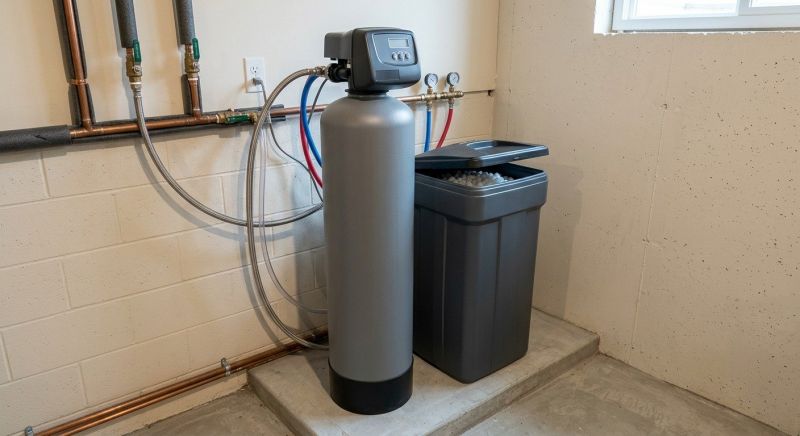
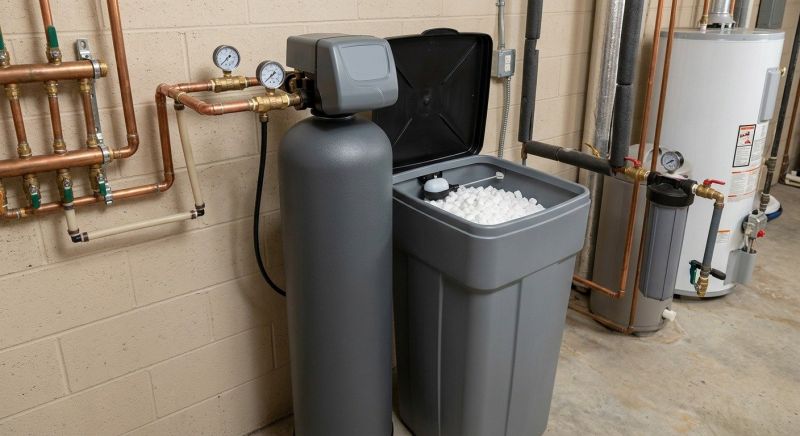
Water softener installation services involve setting up systems designed to reduce the hardness of water by removing minerals such as calcium and magnesium. These systems help improve water quality throughout a property, which can prevent scale buildup in plumbing and appliances, enhance the effectiveness of soaps and detergents, and extend the lifespan of fixtures. Projects typically include installing new water softeners in homes or upgrading existing systems to better meet the household’s water usage needs. Property owners often want to understand the types of water softeners available, the space required for installation, and how the system will integrate with existing plumbing.
Before requesting water softener installation, property owners should consider the size of their household, the level of water hardness, and the flow rate needed for daily use. It’s also useful to evaluate the available space for installation and whether any plumbing modifications are necessary. Understanding these factors helps ensure the selected system provides effective water treatment and fits within the property’s layout. Clear communication about current water quality issues and specific goals can assist in choosing the most suitable water softening solution.
Many property owners in Monmouth County, NJ look into Water Softener Installation for repairs, replacements, upgrades, and appearance-related improvements.
Benefits Of Water Softening
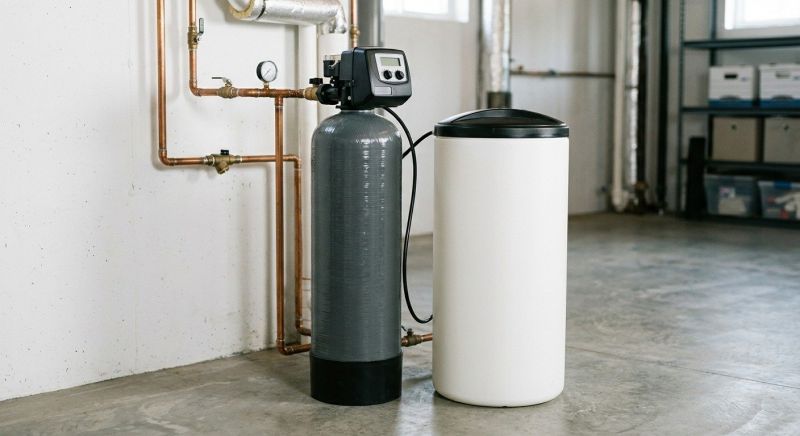
Softened water helps prevent mineral buildup and extends the lifespan of plumbing fixtures.
Installation Process Overview
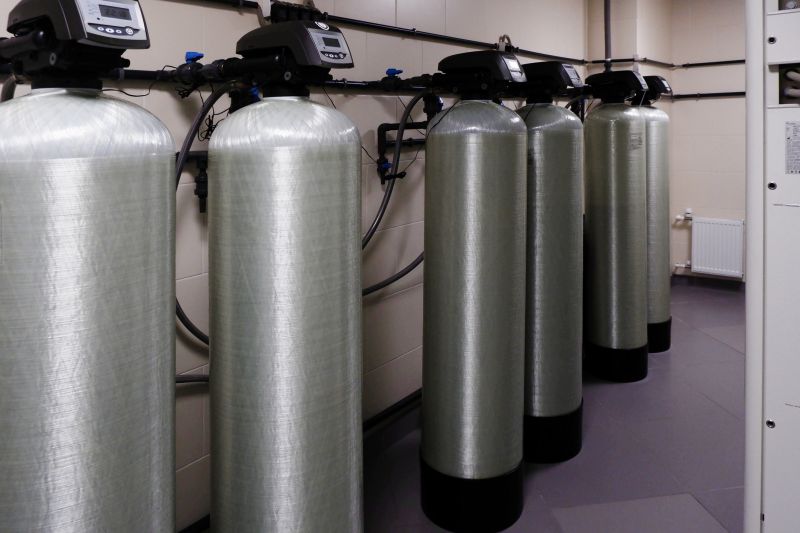
Professional installation ensures your water softener operates efficiently and meets your household needs.
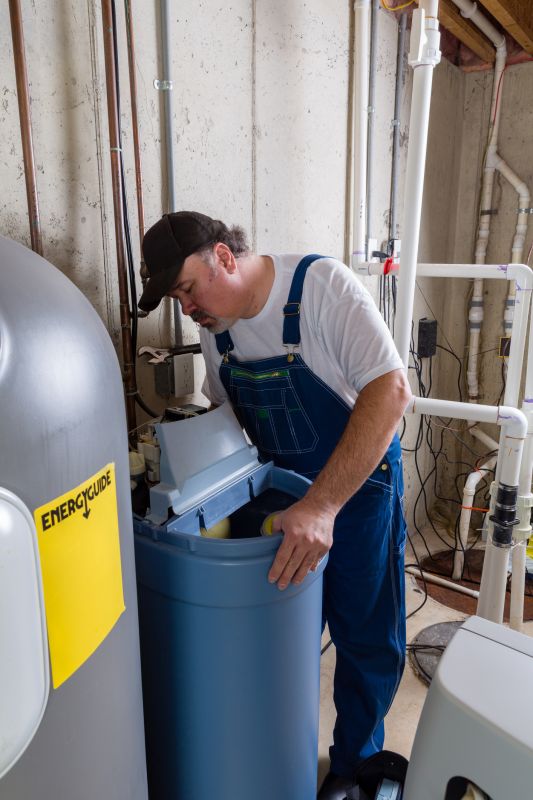
Maintenance And Upkeep
Regular maintenance keeps your water softener functioning properly and ensures consistent water quality in monmouth county homes.
Water Softener Installation in Monmouth County, NJ
Water softener installation services involve setting up systems designed to reduce the hardness of water by removing minerals such as calcium and magnesium. These systems help improve water quality throughout a property, which can prevent scale buildup in plumbing and appliances, enhance the effectiveness of soaps and detergents, and extend the lifespan of fixtures. Projects typically include installing new water softeners in homes or upgrading existing systems to better meet the household’s water usage needs. Property owners often want to understand the types of water softeners available, the space required for installation, and how the system will integrate with existing plumbing.
Before requesting water softener installation, property owners should consider the size of their household, the level of water hardness, and the flow rate needed for daily use. It’s also useful to evaluate the available space for installation and whether any plumbing modifications are necessary. Understanding these factors helps ensure the selected system provides effective water treatment and fits within the property’s layout. Clear communication about current water quality issues and specific goals can assist in choosing the most suitable water softening solution.
Many property owners in Monmouth County, NJ look into Water Softener Installation for repairs, replacements, upgrades, and appearance-related improvements.
Common Water Softener Installation Jobs
Water Softener Installation - professional setup to reduce mineral buildup in plumbing and appliances.
Water Softener Replacement - upgrading outdated systems for improved water quality and efficiency.
Whole-House Water Softening - installing systems that treat water for the entire property.
Salt-Free Water Softening - installing alternative systems that prevent scale without salt use.
Point-of-Use Water Softening - adding softening units at specific faucets or appliances for targeted treatment.
Water Softener Maintenance - ensuring systems operate effectively through routine service and inspections.
Water Softener Installation Questions
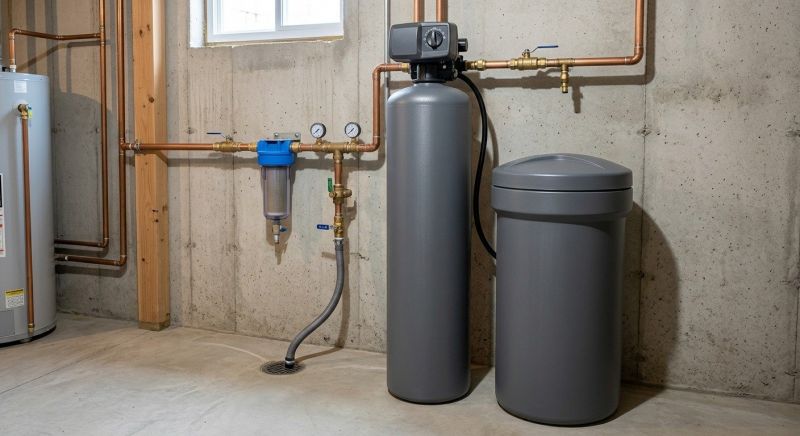
What is a water softener? A water softener is a device that reduces minerals like calcium and magnesium in hard water, helping to prevent scale buildup and improve water quality.
How does a water softener installation work? The system is connected to the main water supply, where it exchanges hard minerals for sodium or potassium ions, softening the water throughout the property.
What are common signs that a water softener is needed? Signs include soap not lathering well, spots on dishes or fixtures, and a buildup of scale on appliances or plumbing.
Is professional installation necessary for a water softener? Yes, proper installation ensures the system functions correctly and integrates safely with existing plumbing.
Request Water Softener Installation in Monmouth County, NJ
Use the quote form on this page to share the basics of your project and request more information for the type of work you need.